In Japan, tea is more than a drink. It is tied to the seasons, the land, and the quiet anticipation of spring.
One of the most meaningful dates in Japanese tea culture is Hachiju-Hachiya, written as 八十八夜, which means “the 88th night.”
It refers to the 88th day after Risshun, the traditional first day of spring in the old Japanese calendar. In today’s calendar, it usually falls around May 1 or May 2. This year, it falls on May 2nd.
For tea farmers, this time has long been seen as a special seasonal marker: the moment when spring has settled in, the weather has warmed, and the first young tea leaves are ready to be harvested.
Why the 88th Night Matters
In traditional Japanese farming culture, Hachiju-Hachiya was known as an important point in the agricultural year. After this date, the risk of late frost was believed to decrease, making it safer for farmers to begin serious planting and harvesting work.
For tea, this timing is especially important.
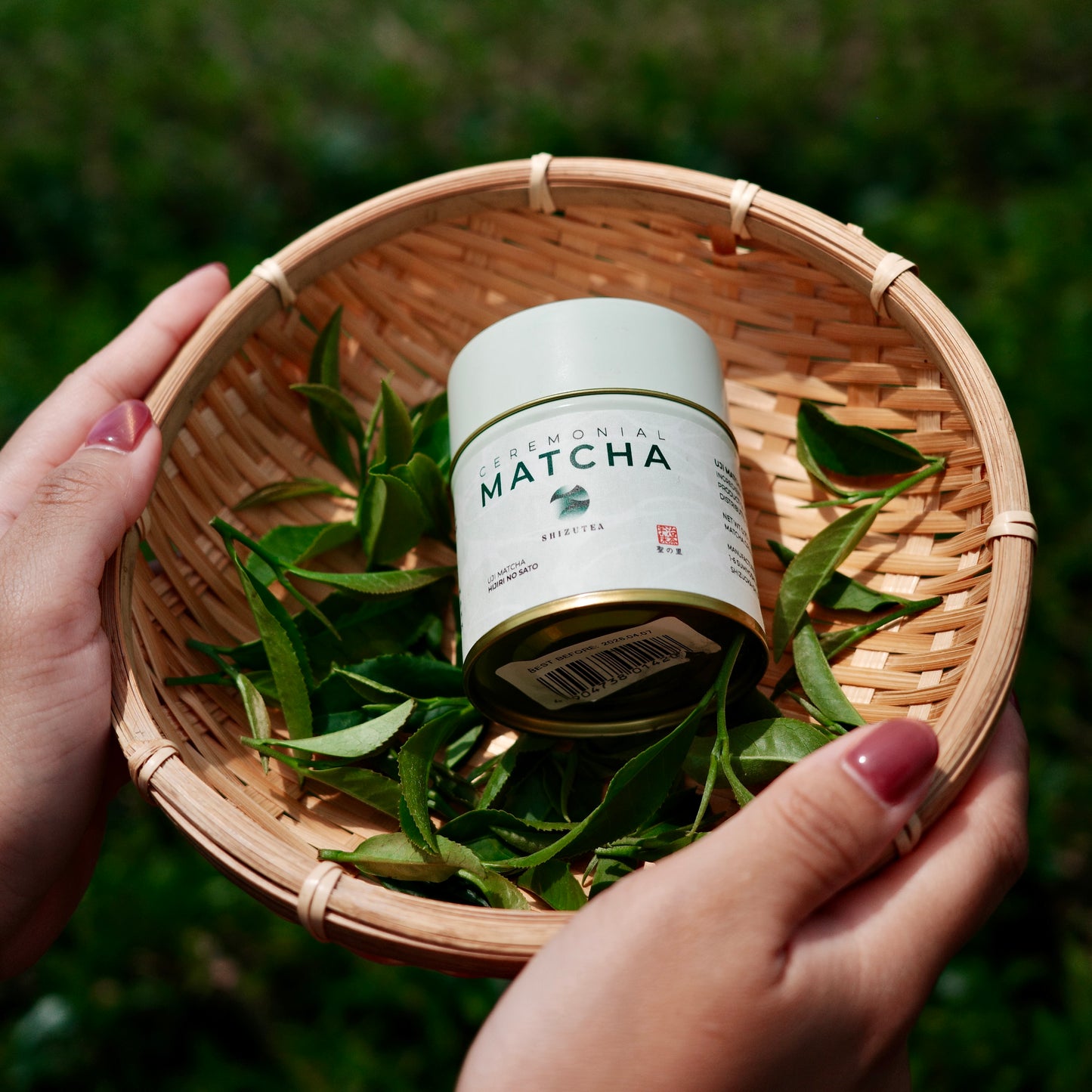
The first harvest of the year is called shincha, or “new tea.” These young spring leaves are prized because they are fresh, fragrant, and full of natural sweetness. After resting through the winter, the tea plants push out tender new shoots in spring, creating leaves with a soft aroma and rich flavor.
There is also an old saying in Japan that tea picked around the 88th night brings good health and long life. Whether taken literally or not, it reflects how special this season has always felt to Japanese tea drinkers.
How Hachiju-Hachiya Connects to Matcha
When people think of matcha, they often think of a bright green powder used in lattes, desserts, or traditional tea ceremony. But before matcha becomes powder, it begins as carefully grown tea leaves.
High-quality matcha is made from tencha, a type of tea leaf that is grown under shade before harvest. This shading process helps increase the leaf’s rich color, umami, and smooth character. After the leaves are harvested, they are steamed, dried, and carefully ground into fine matcha powder.
The timing of the harvest matters deeply.
Leaves picked during the early spring season tend to have a more delicate sweetness, less bitterness, and a deeper savory taste. That is why first-harvest matcha is often considered especially premium. Hachiju-Hachiya sits right at the heart of this spring tea season, making it a symbolic moment for matcha lovers.
In other words, the matcha in your cup is not just “green tea powder.” It is the result of a season, a harvest, and generations of tea-making knowledge.
Why This Season Is Special for Shizuoka Tea
Shizuoka has long been one of Japan’s most important tea regions. Its mountains, rivers, mist, and varied climate create a rich environment for tea cultivation.
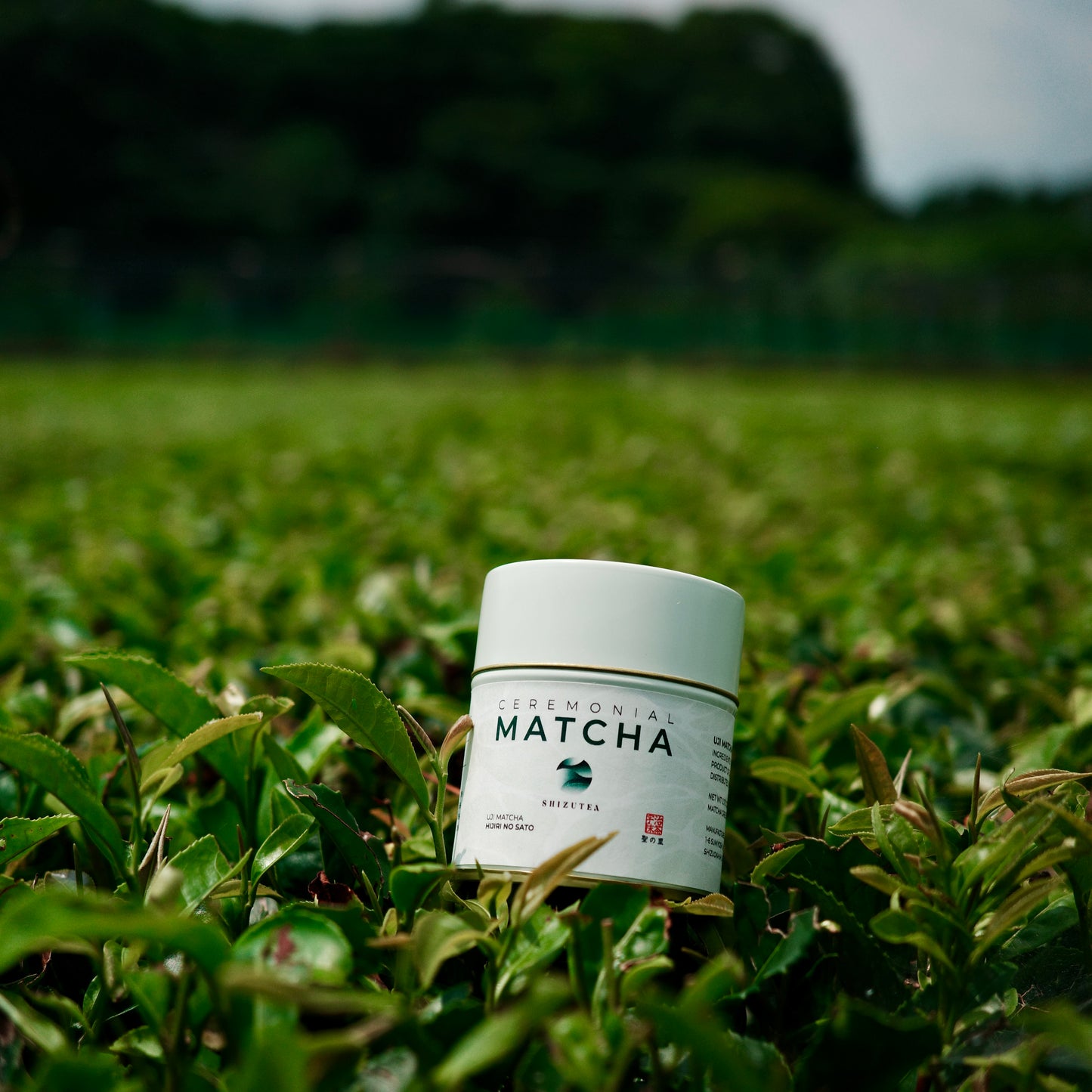
Around Hachiju-Hachiya, tea fields in Shizuoka come alive with fresh green leaves. For many producers, this is one of the most exciting times of the year. The first harvest carries the energy of spring and the craftsmanship of the people who grow, shade, harvest, and process the tea.
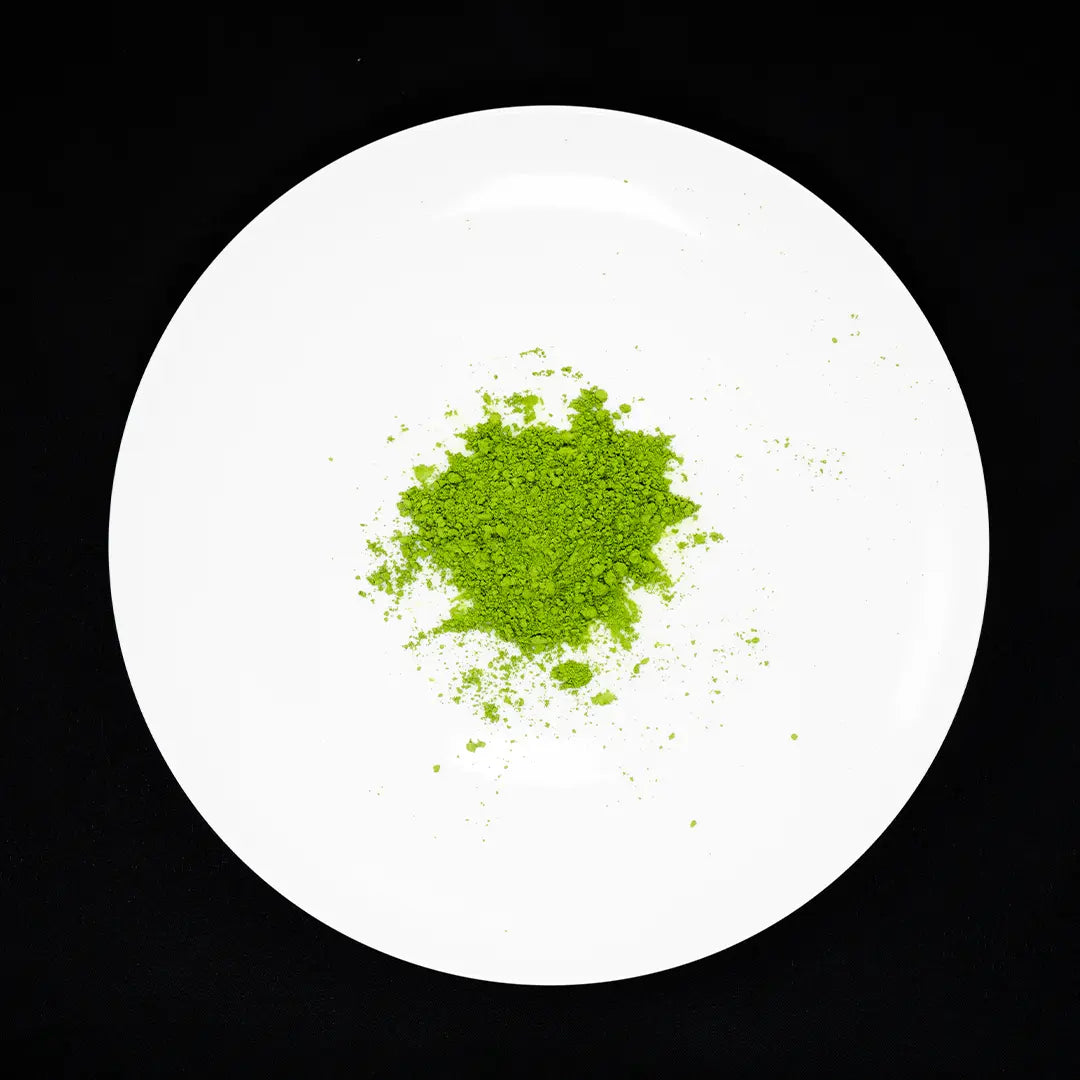
For matcha, this seasonal connection matters because freshness and origin are part of the experience. A good matcha should feel alive: vibrant in color, smooth in texture, and layered in flavor.
Drinking Matcha with the Season
Hachiju-Hachiya reminds us that matcha is not just something to consume quickly. It is something to notice.
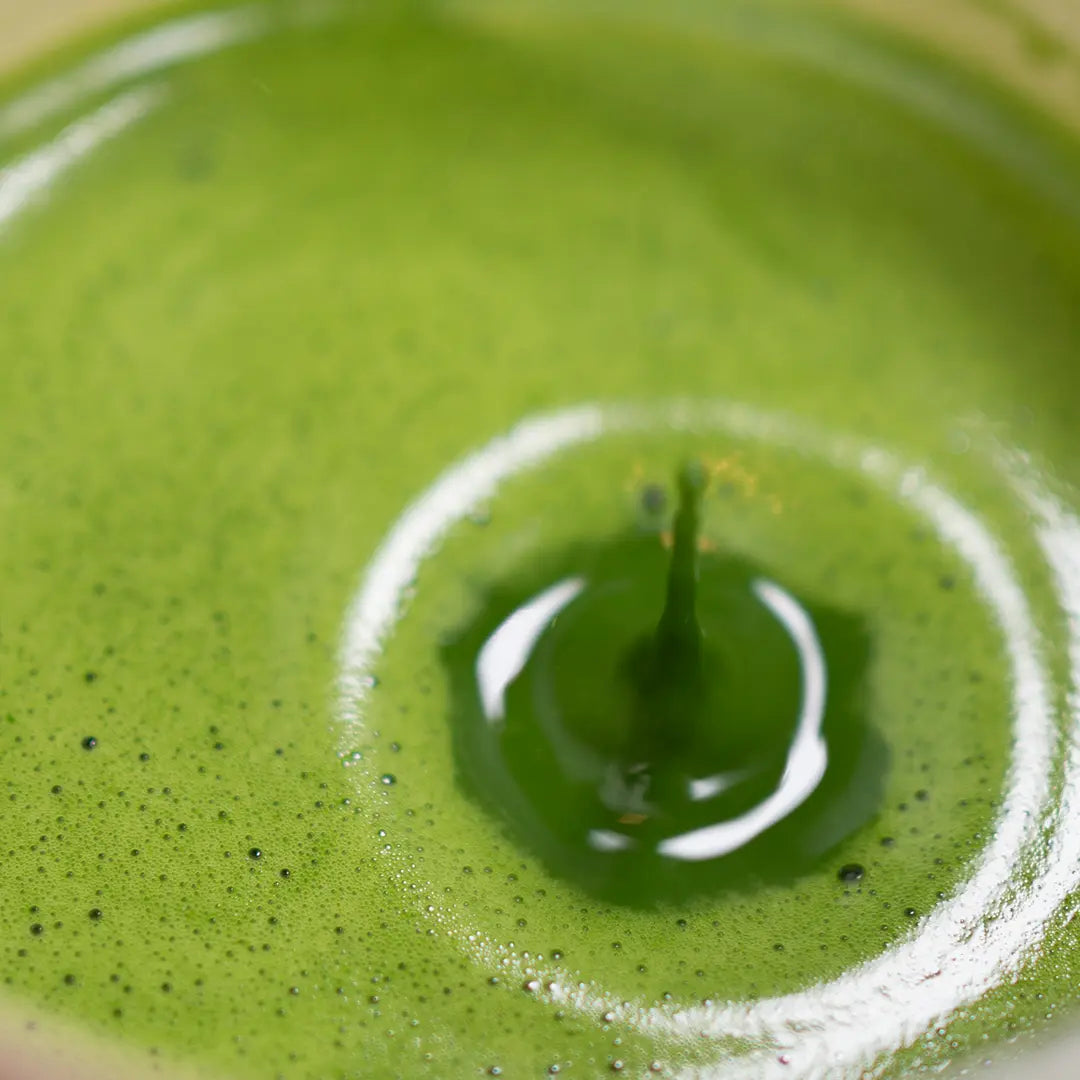
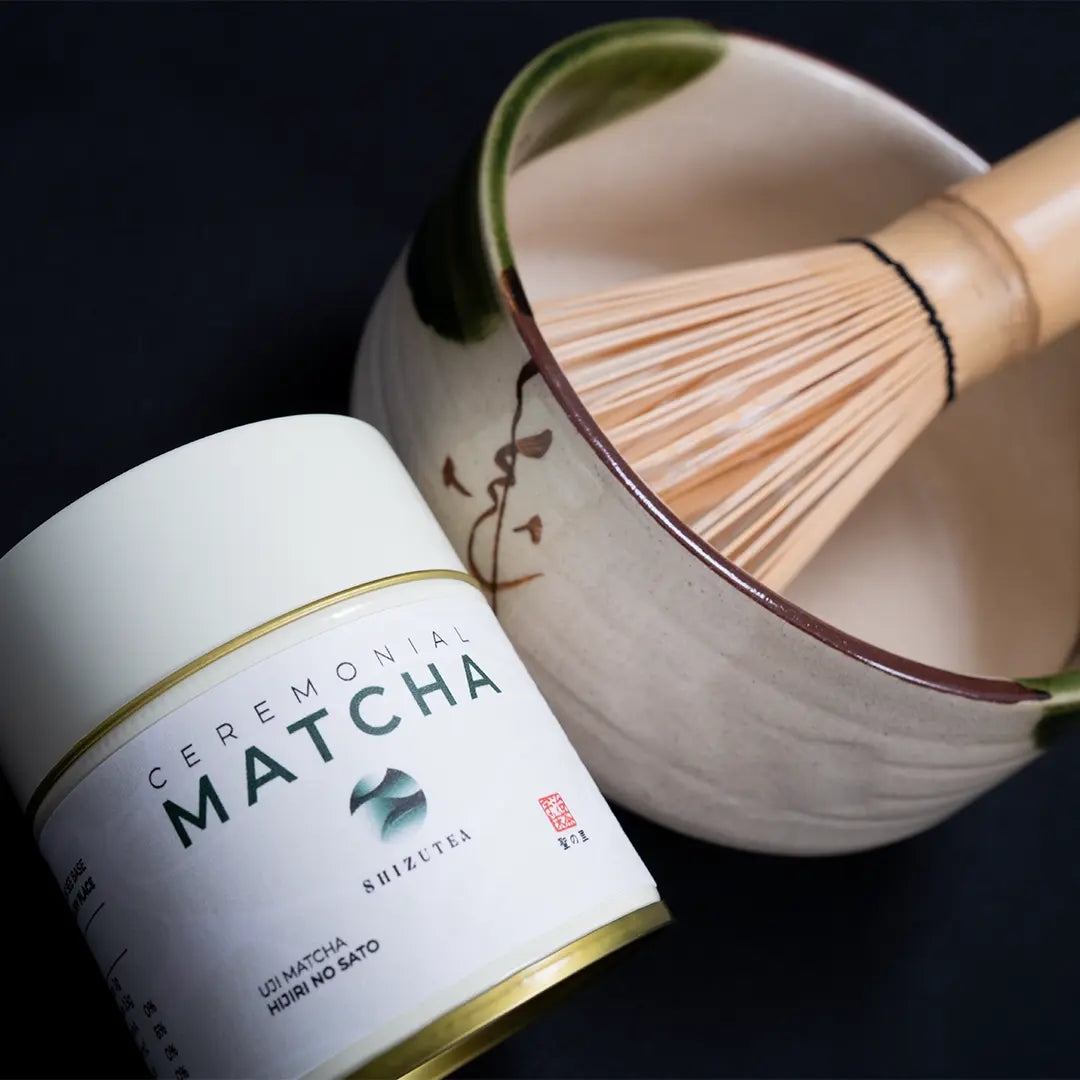
When you prepare a bowl of matcha or make a matcha latte, you are tasting a moment in the Japanese tea calendar. You are tasting spring leaves harvested at their peak, shaped by climate, soil, and careful human hands.
So this season, take a moment with your matcha.
Notice the color.
Notice the aroma.
Notice the balance of sweetness, bitterness, and umami.
That is the beauty of Japanese tea: even one cup can carry an entire season.